Showing posts with label science. Show all posts

Friday, July 24, 2015

ABO blood group systems - evidence of ancient migrations

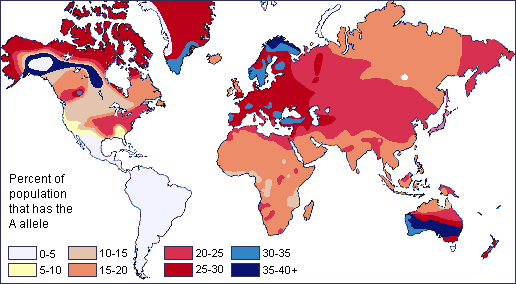
A allele in Native Populations
B allele in Native Populations
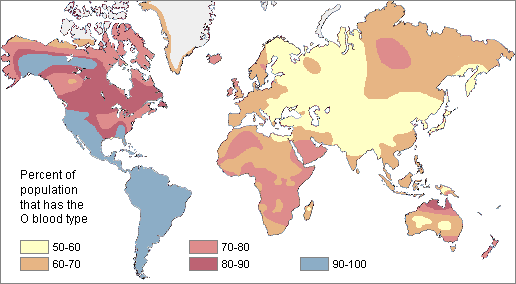
O allele in Native Populations
Type O blood is near 100% in Americindians in South & Central America whereas tribes in Alberta & Montana have a world high of type A. This is seen as historical evidence of repeated ancient Asian migrations into North America.

Saturday, July 18, 2015

Beaumont, William - just poke the wound and see digestion working live!


William Beaumont was the U.S. Army surgeon who, in 1822, treated the 19 year old Alexis St. Martin for a gun shot to the stomach at close range. He thought Alexis would die, but he didn't. In fact, the wound healed up in such a way that by applying pressure to the area, Beaumont was able to look right into the stomach and watch digestion as it occurred!

This allowed Beaumont to perform a variety of experiments on him over the following years. Most of the experiments involved tying a piece of food to a string and then inserting into the hole in the stomach. He would then remove the food every few hours and see how it had been digested. He also extracted a sample of gastric acid for analysis. This all led to the discovery that digestion is primarily a chemical process as opposed to a physical one.

Poor Alexis does not seem to have been an enthusiastic participant. Beaumont actually got him to sign a contract to work as a servant, so in addition to helping Beaumont perform groundbreaking research, he also chopped wood for him.

Tuesday, July 14, 2015

diaeresis - cooperation hiatus


Diaeresis (from the Greek "to divide") refers to two vowel sounds occurring in adjacent syllables. An example would be "cooperation" or "hiatus". Contrast this with diphthong which is a sound made with two vowel sounds in the same syllable.

Some languages have few or no diphthongs, but a lot of vowels, so they end up with lots of diaeresis. For example, the Hawaiian word "aea" has 3 syllables.

Many languages disallow this sort of thing and simply deleting the extra vowel or adding an extra consonant. Some English dialects insert an /r/ into the word. This is called the intrusive R and seems to be something that can get you elected president (see Kennedy and any president from the south).

Sunday, July 12, 2015

dew - watch out for the hydrometeors!


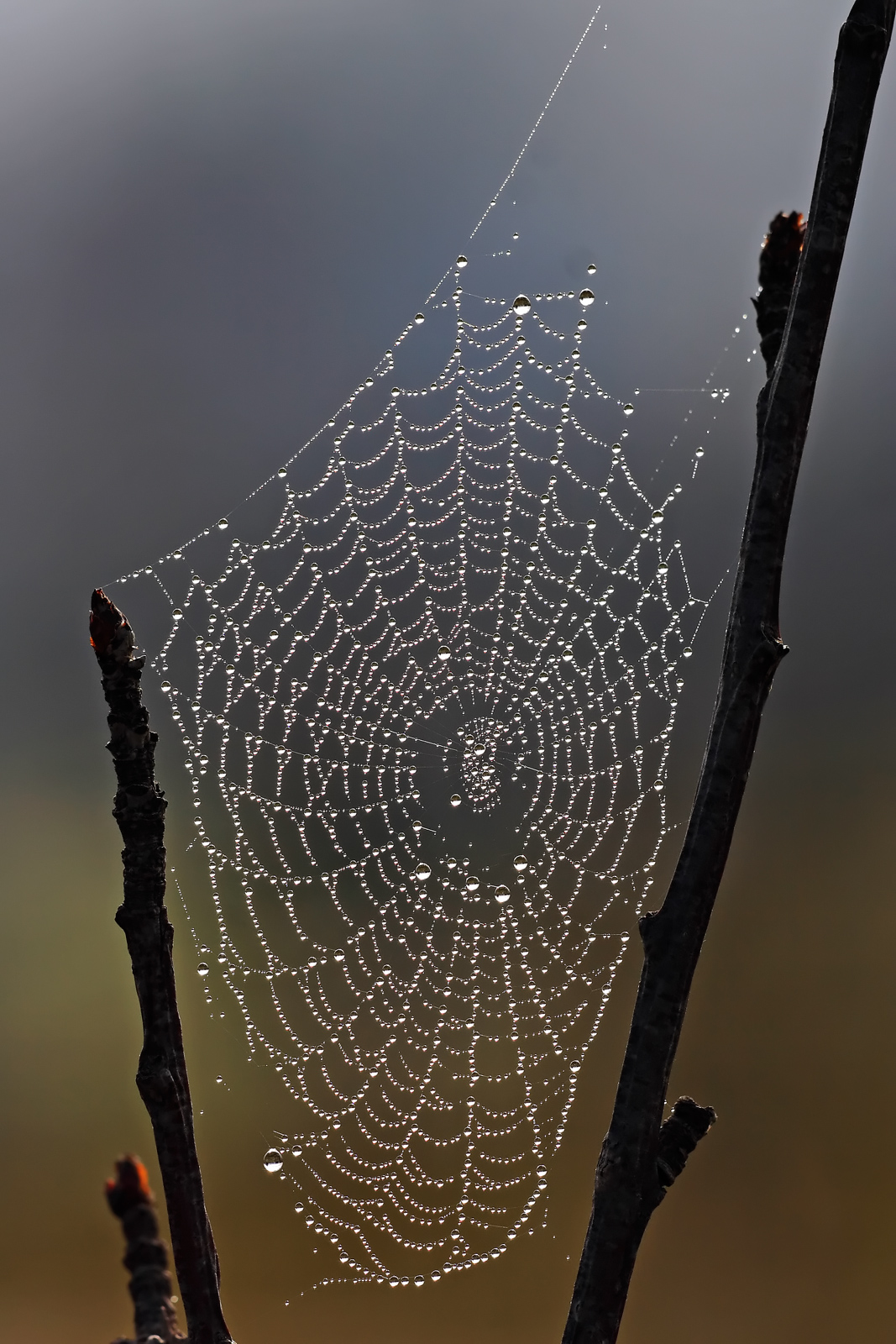
Dew forms because the air heats and cools quicker than objects in the environment. If the temperature of air is already below the dew point then you'll see clouds or fog. If the air is above the dew point, but objects like grass are cooler, then dew will form when water vapor comes in contact with grass and is cooled past the dew point.

I was delighted to encounter the term hydrometeor. It simply refers to bits of liquid or solid water in the atmosphere. So clouds, fog, rain and snow are composed of hydrometeors. This conjures images of blazing water plowing through the atmosphere, but it just generically refers to any form of liquid or solid water in the atmosphere, including snow that gets blown off the ground and virga, which is precipitation that evaporates before it hits the ground.

So, the next time you get caught in the rain or snow you can call someone and say that you can't make it because of all the hydrometeors impacting the ground near you.


Monday, July 6, 2015

desert plants - sneaky quick water hoarders


Desert plants have a variety of adaptations allowing them to survive long periods without water.

Some plants only open their stomata at night to reduce water evaporation that occurs quicker when the sun is out.

Plants often have water impervious cuticles & waxy coatings.

Succulent organs retain lots of water.

South African desert covered in ephemeral annuals during brief spring wet season.

There are even ephemeral annuals that bloom only during sudden rain.

The Peniocereus Greggi blooms once a year. All plants of that type bloom simultaneously on the same night. This occurs to maximize cross pollination between plants. If they bloomed individually, there would be no one to cross pollinate with. In other parts of the world, flowers stay open for a while to give cross pollination time. But in the desert this plant doesn't want to waste energy maintaining a flower and keeping the reproductive process ongoing for long periods of time. They just get it done one night then go back to staying alive.

Apparently some people have night garden parties where they watch it bloom.

Sunday, July 5, 2015

desert processes - there's a history behind every crazy looking rock


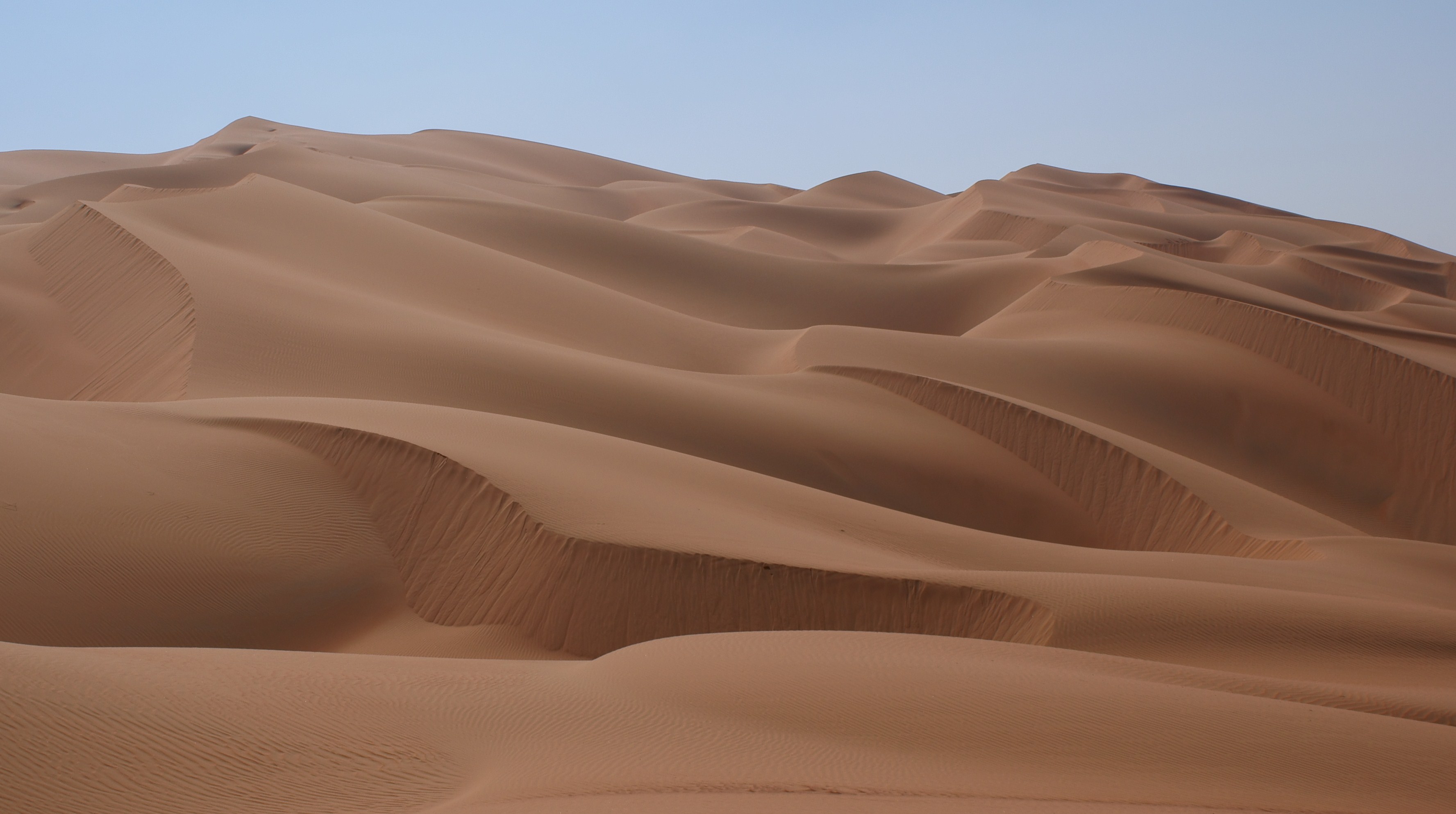
The picture above is what most people think of when they think of deserts. However, wind blown sand only makes up 2% of North American deserts, 10% of the Sahara, and 30% of the Arabian desert.

There are many processes that create geological structures. What follows is a quick selection of them, particularly ones that are in play in the desert.

glaciofluvial deposits along Matanuska River, Alaska
Fluvial processes refers to deposits and landforms created by rivers and streams. Of course, deserts generally don't have permanent rivers, but sudden rain storms do occur in deserts and that water can change the landscape.
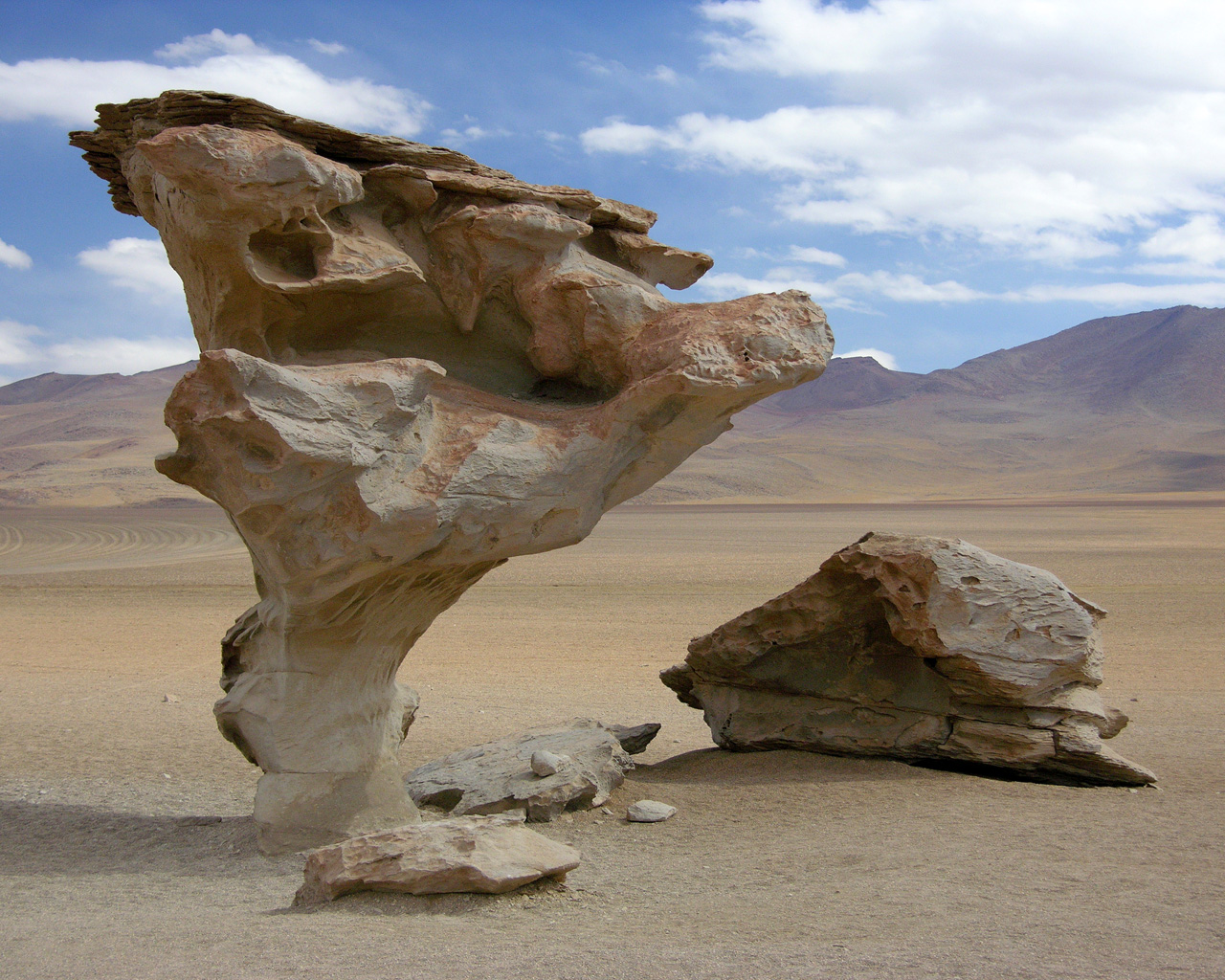
rock sculpted by wind in Altiplano region of Bolivia
Aeolian processes refer to wind's ability to erode, transport, and deposit materials.


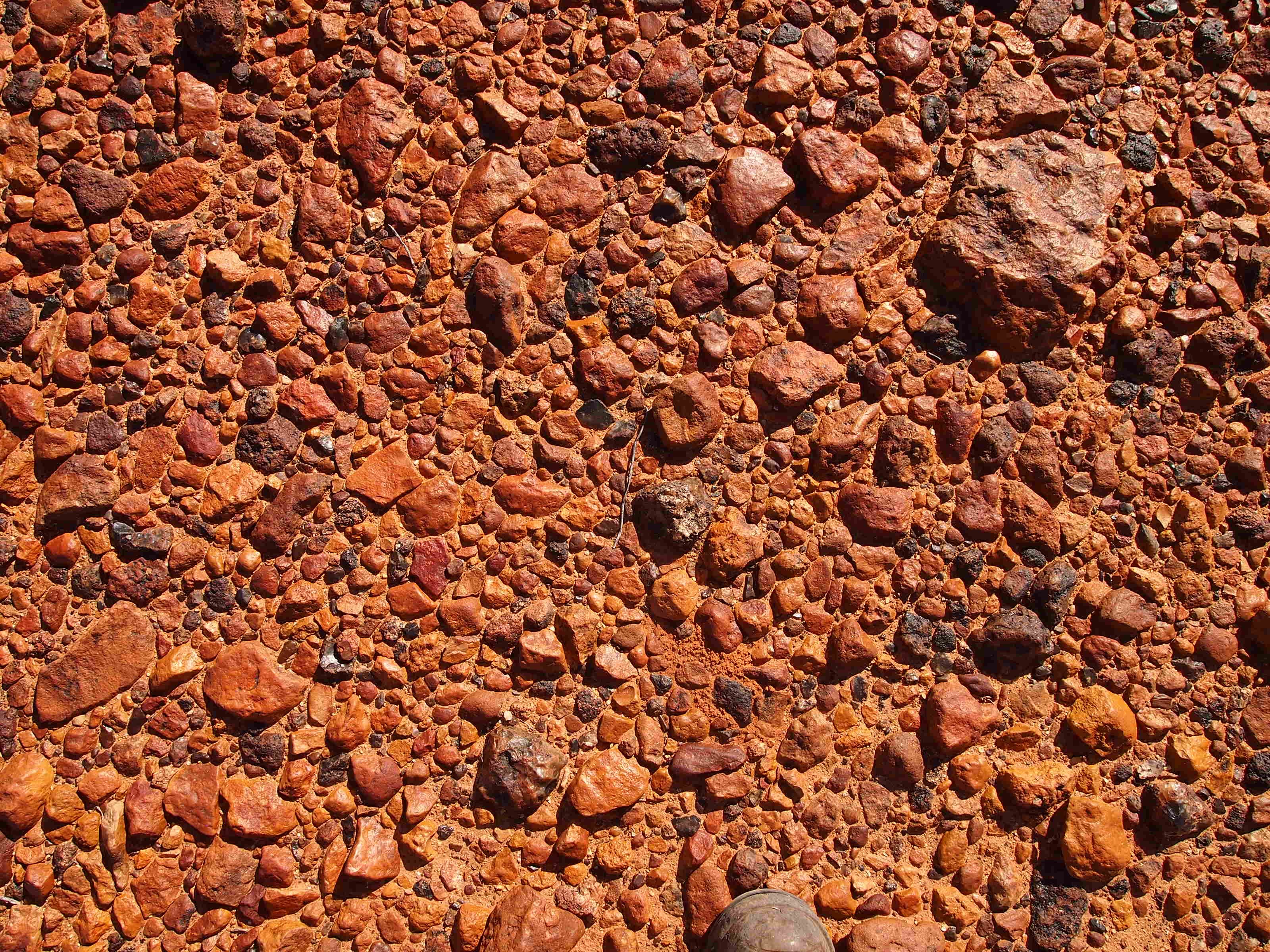
Desert pavement is a desert surface composed of interlocking rocks. It looks like the land was run over by a steamroller. There are multiple theories about how the pavement forms, but I find the most recent theory fascinating. In the given example, we start out with a lava flow then, over time, dust is deposited, but due to "heave" (which I think means shaking about by wind), all loose rocks move upward as new dust is added. The result is that helium-3 dating of the rocks shows that the dust under the rocks is actually much newer than the rocks on the top. Furthermore, there are no rocks in the dust underneath because they have all migrated to the surface.


Desert pavement is often coated in desert varnish, but desert varnish can occur on anything that sits on exposed rock surfaces for long periods of time. It only occurs in an area where there is no frequent precipitation, fracturing, or wind abrasion. However, the varnish requires wind to deposit clay on the surfaces to be varnished, so presumably that means the wind must be relatively mild.

The varnish contains a large amount of wind deposited clay which acts as a substrate to catch additional substances that chemically react together in high temperatures. Wetting by dew is also involved.

The resulting varnish contains a high concentration of manganese which is significant because it only makes up 0.12% of Earth's crust by weight, but it's 50 to 60 times more abundant in varnish. One theory for why this is involves manganese-oxidizing microbes.
Friday, July 3, 2015

Desmarest, Nicolas - Earth didn't start as waterworld.


Desmarest, Nicolas was a French geologist who lived 1725-1815. His claim to fame is that he disproved the Neptunist theory that all rocks were formed by sedimentation from primeval oceans.

Basically, the idea was that the Earth used to be a water world and that sediment settled and formed all the rocks. Of course, rocks like that do exist, but that isn't the only way that rock is formed. As it turns out, if it was, Hawaii wouldn't exist and that would be an absence too horrible to imagine. (Seriously, if you have vacation time available, go to Hawaii. There's no reason to go anywhere else.)

Hawaii
He studied basalt in Auvergne France and proved that these rocks were the result of old lava streams.

Thursday, July 2, 2015

Devonian - long years, short days

The Devonian covers the Earth's history from 419 to 359 million years ago. The world was a little different back then. The picture above shows the continents at the time. I find it essentially unrecognizable.

At the time, days lasted about 21 hours, but there were about 400 of them each year. I don't know how exact those numbers are, but that indicates 8400 hours a year compared to 8766 hours a year now. My guess is that the 400 is a rough estimate. I wasn't able to find a wikipedia article on deviation of the length of the Earth's revolution about the sun, but some quick googling turned up discussions about how the revolution about the sun is slowing, but at a very slow rate compared to changes in Earth's rotation.

The Earth's rotation is slowing over time, largely due to the dragging effect of the Moon's tides. However, there are occasional events like the 2004 Indian Ocean earthquake which increased Earth's rotation by a full 3 microseconds.

On a side note, it's fascinating that the historical view that the heavens rotate about the Earth was not without controversy. Even in the time of the ancient Greeks there were some who argued that the Earth rotated. The counterargument was that if the Earth rotated, the world would be destroyed by high winds.

The Devonian had its share of extinction intensity increases.


At the beginning of the Devonian the largest land organism was a fungus that stood 8 meters tall. By the middle of the Devonian plants developed roots and leaves, so now the land looked something like this:


The following shows the evolution of animals over geologic time. Note that the Devonian is the age of the fishes. According to this graph, before that period there wasn't nearly as much variety in the oceans. The end of the Devonian is the rise of the tetrapods.


Time goes from the bottom to the top in that graph. The width of each line shows the preponderance of that form of life during that period of time.


Saturday, June 27, 2015

soap - better than scraping yourself with a strigil


A detergent and soap are both surfactants, but soap is generally made from saponification of fats whereas detergents are generally synthetic.

Tallow is rendered beef or mutton fat.

Wax is synthesized from various plants and animals.

If you don't have soap, you can use clean ash or sand / soil as a substitute. (It seems like washing yourself with "soil" would just make you muddy, but perhaps that's better than being oily and smelly.)

Although there is evidence of soap usage as early as 2200 BC (a recipe was found on a clay tablet from that time period), it's use was not widespread.

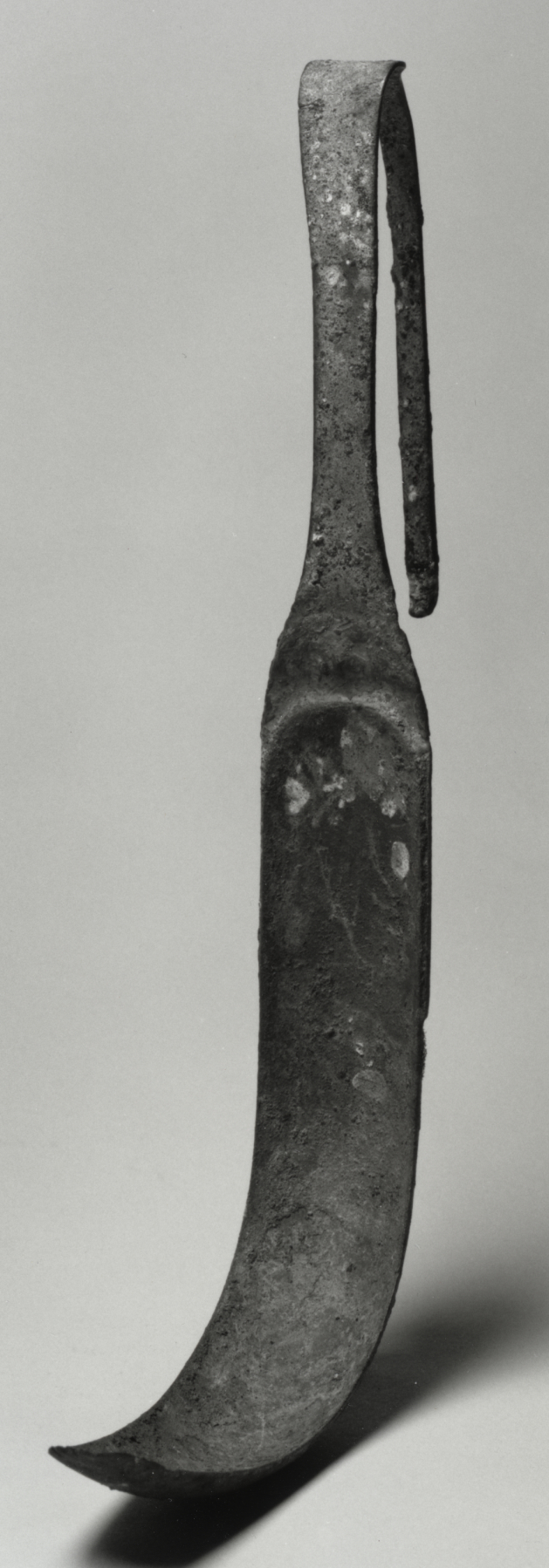
The Romans' preferred method of cleaning involved massaging oil into the skin and then scraping it away with a strigil.

strigil

Monday, June 22, 2015

Democritus - shiny, round, rough, or flat. It's all just atoms dude.


Democritus (460 BC - 370 BC) apparently is not the namesake for Democracy. The origin for that word is actually the Greek word "dēmokratía" which means "rule of the people".

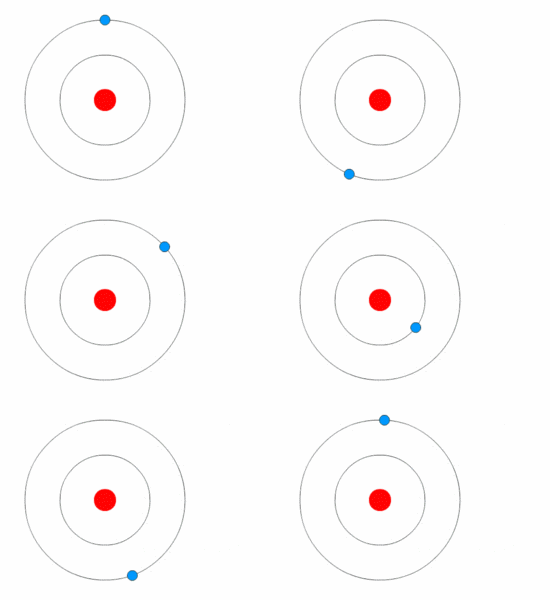
What he is remembered for is his formulation of atomic theory. He wasn't thinking about what we think of as atoms though. At least, not exactly. Here is the popular conception of atoms:

Here is something more like the reality of what atoms actually are.

But he was really thinking of something more like oddly shaped building blocks or Legos.

For example, his theory is that water is made up of smooth round atoms. Rock consists of rough edged atoms that lock together. The color white was supposed to actually consist of smooth flat atoms while the human soul consisted of some other type of atom.

He also subscribed to a belief in a single god that he referred to as "cheerfulness". Everything about the world could be explained by atoms and the way they interacted. Remember that he was an ancient Greek and, popularly, the gods were quite numerous.

I tried to find a source which described all the different types of atoms that Democritus postulated, but it appears that most of his work was lost. Most of what we know about his theories comes from secondhand reports contrasting his views with the views of others.


Friday, June 19, 2015

Derby - a town in the shire

Low Tide in Derby

Derby is a town in the Kimberley shire of Western Australia that has a tidal range of 35 feet. I took a look at the google street view, but I was unable to find Hobbiton anywhere. If you can find it, let me know.

So how can the tidal range be 35 feet (vertical)? In the open ocean, the vertical tidal range is only about 2 feet. Does the moon's lovely attraction pull harder on the water in some areas of the Earth? To find out what's going on we can take a look at the Bay of Fundy. It has the highest tidal range in the world at 53 feet.

There's a whole page explaining why Bay of Fundy tides are the highest. Basically, the bay acts as a funnel with a natural oscillation period of between 12 and 13 hours. This happens to match up with the Atlantic ocean tide flooding which occurs every 12 hours and 26 minutes. This results in resonance just like pushing on a swing does for the swinger. If you changed the shape of the bay, the tides wouldn't be as high.

The Derby visitor centre has plenty of other beautiful stuff about Derby on it. My favorite thing about the place is the Boab Prison Tree. I just love crazy looking trees:

Boab Prison Tree


Tuesday, June 16, 2015

Dentin - Brush Your Breath! ™


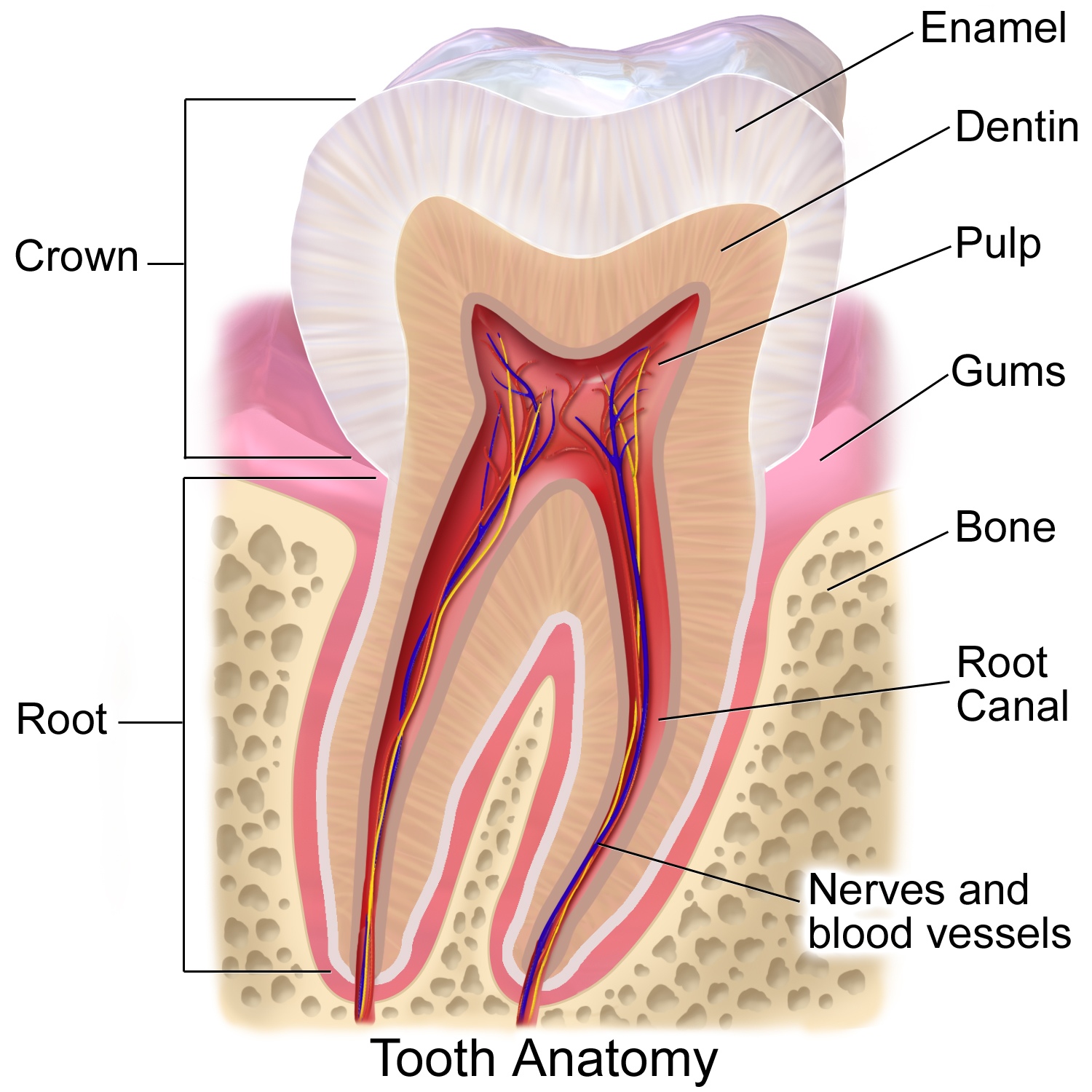
Dentin is harder than bone (according to Britannica, but I couldn't find any indication of this in wikipedia),  but softer than enamel. The hardness is determined by the percentage that is minerals.

Enamel is 96% minerals. Dentin is 70% minerals. Bone is also 70% minerals (although there are multiple types of bones).


Dentin is not to be confused with Dentyne, the Brush Your Breath gum that helps keep breath fresh.

Monday, June 15, 2015

Cellini's Halo - we're all saints in the morning, especially on the moon


I laughed when I read about this one. There are many things in life that remain nameless, so it always gives me joy when one of those things turns out to have a name. It reminds me of Douglas Adams' book The Meaning of Liff. Here are some wikipedia examples from the book:
Examples are Shoeburyness ("The vague uncomfortable feeling you get when sitting on a seat that is still warm from somebody else's bottom") and Plymouth ("To relate an amusing story to someone without remembering that it was they who told it to you in the first place").
Cellini's Halo (aka. Heiligenschein) is the bright light that appears around the head of the shadow of a person during the early morning when the sun is low in the sky. It's particularly prominent when the ground is s covered in dew or dust.

The image above is a close up of the reflection in the visor of Buzz Aldrin. You can see that, from his perspective, there's a halo around the head of his shadow.

Thursday, June 11, 2015

denitrifying bacteria - metabolizing to keep the world breathing


Denitrifying bacteria convert nitrates in soul into atmospheric oxygen. As a gardener, I need to maintain the levels of nitrogen, phosphorus, and potassium in my soil. These bacteria are one of the ways that soil nitrogen is depleted.

When you fertilize your garden, if you used 16-4-8 fertilizer, you'd be adding material consisting of 16% nitrogen, 4% P2O5, and 8% K2O. You need to use the right one or you'll end up turning your garden into a low grade phosphorus mine.

However, we can't blame these microorganisms too much. They're pretty crucial to life on the planet. Nitrates are highly soluble and readily absorb into water. Without denitrifying bacteria, the nitrogen would eventually accumulate in the oceans and the atmosphere would end up nitrogen free.

Monday, June 8, 2015

Dendrochronology - preventing underage tree drunkenness since the 1500's


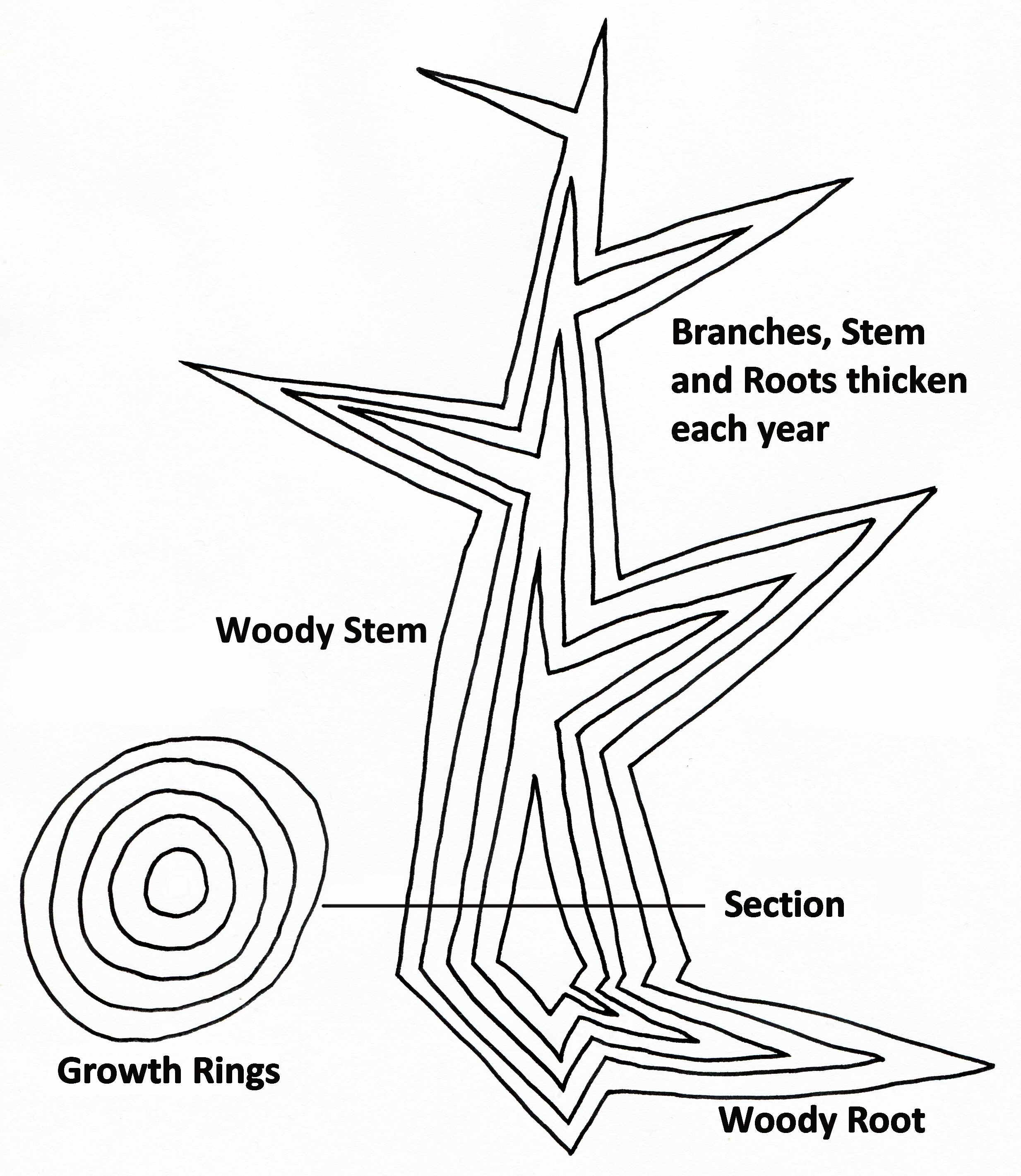
Dendrochronology is a method of scientific dating based on patterns of tree rings.

The first reference to trees having rings was by Greek botanist Theophrastus around 300 BC. Like Bilbo, he didn't realize the significance of the rings though. It wasn't until Leonardo da Vinci's Trattato della Pittura (Treatise on Painting) that someone mentioned that rings form annually and that their thickness depends on the weather conditions that year. Later in 1833 Alexander Catlin Twining suggested matching growth patterns between many trees in an area to reconstruct historical weather patterns across entire regions.

The youngest rings are on the outside. Trees don't grow all over in the way that animals tend to do. They grow like houses that get a new coat of paint every year:


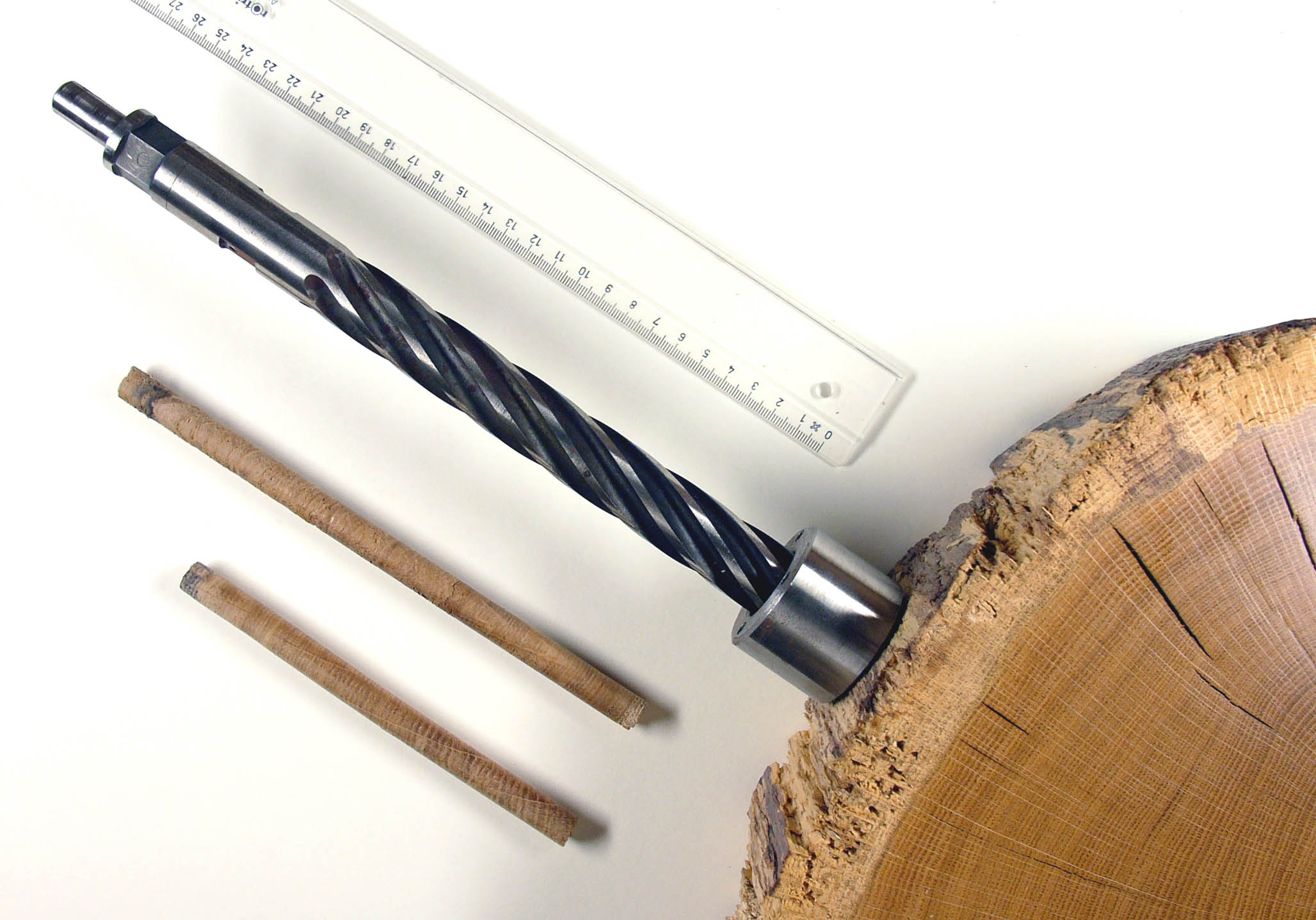
For trees in the wild, cores are taken using a long hollow drill bit. This leaves a long bore hole in the tree which would seem to be cause for concern. But, I found a thread where dendrochronologists discussed whether it was safe to leave the core unplugged.

Some preferred to seal the holes with beeswax, but most were convinced that trees self repaired and were not permanently damaged. It would be pretty catastrophic to drill out a core of someone's leg. Certainly there would be a tremendous amount of bleeding and cursing. But trees don't seem to mind. The trees immediately start filling the hole with sap (this seems to serve a similar purpose to bleeding) and a few years later the hole is difficult to find evidence of.

The primary concern seemed to be fungus. Unlike humans where imbibing alcohol generally increases risky behaviors that spread disease, in any situation where fungus is a danger, the borer should be cleaned with alcohol before moving to the next tree.

That's not all though! It's not just about preventing young trees from getting into clubs before they're 21. In the past, paintings were made on wooden panels rather than canvas. Those panels can be dated using this technology, although museum curators get really upset if you try to use a drill on their 500 year old paintings.


The above painting of Mary Queen of Scots was thought to be an 18th century copy, but dating of the wood panel determined that the wood came from the 16th century. It is now regarded as an original.

Strangely, in order to preserve wood panel paintings, sometimes the paint itself was transferred to canvas. Try and think about that for a bit. It seems crazy, but it is not impossible.